


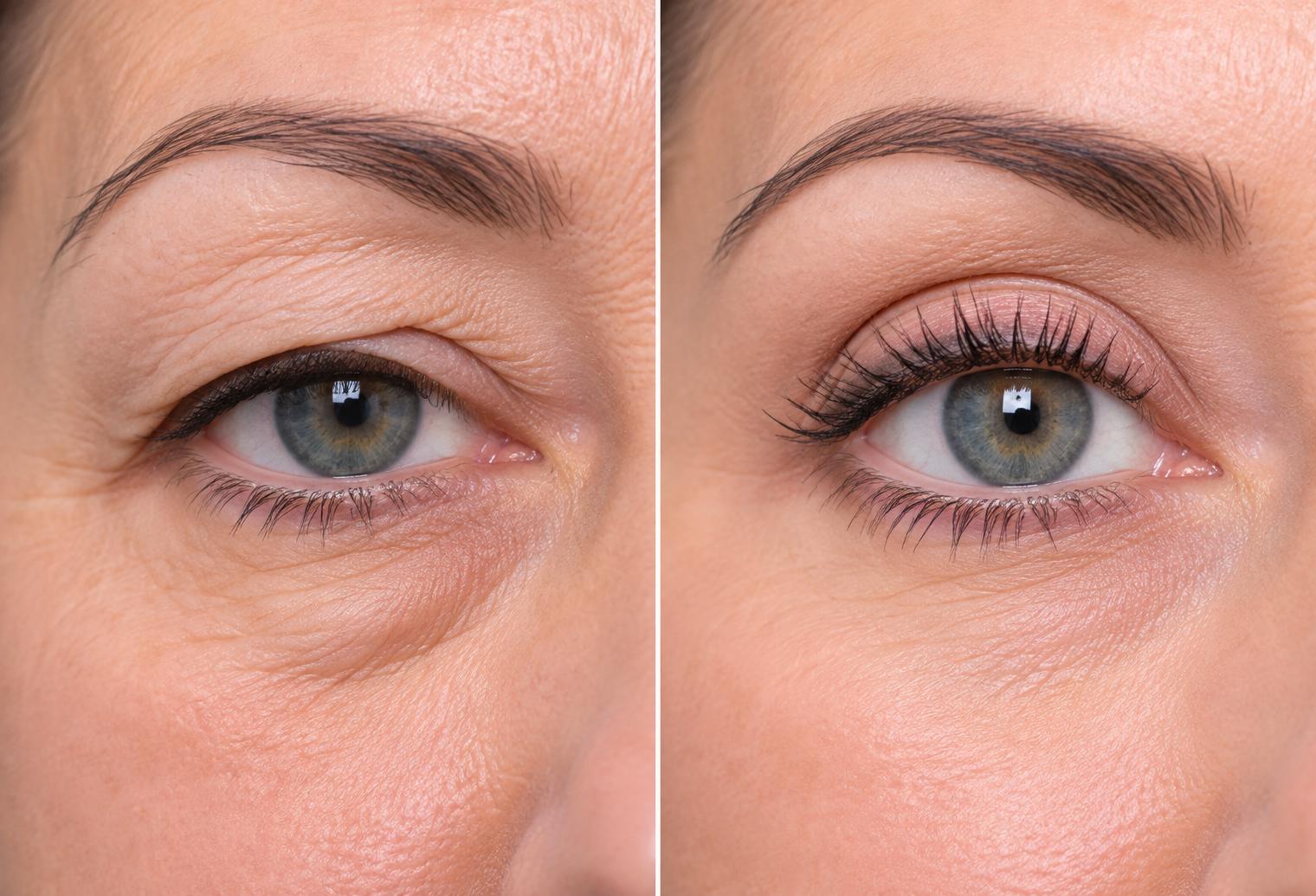
If you are considering upper eyelid rejuvenation in Charleston, you may be excited about looking more rested but nervous about what happens to your eyelashes afterward. One concern that often comes up is whether upper blepharoplasty causes the eyelashes to fall out.
Quick answer: Losing your eyelashes after upper blepharoplasty is generally a myth, not an expected result of the procedure. A standard upper blepharoplasty incision is usually placed in the natural upper eyelid crease rather than along the lash line. Temporary swelling, numbness, crusting, or changes in how the lashes sit can make them look different during healing, but permanent eyelash loss is not considered a normal outcome.
What Charleston patients should know
-
Upper blepharoplasty typically involves the eyelid crease, not the eyelash follicles along the lid margin.
-
Temporary swelling can make lashes appear flatter, uneven, or less noticeable during early recovery.
-
Numbness of the eyelid or eyelashes can occur temporarily after upper eyelid surgery.
-
Charleston’s bright sun and outdoor lifestyle make following your surgeon’s postoperative sun-protection instructions especially important while incisions heal.
-
Sudden vision changes, severe pain, significant bleeding, or rapidly increasing swelling after eyelid surgery require prompt medical attention.
Is Eyelash Loss After Upper Blepharoplasty a Myth or a Fact?
Significant eyelash loss is not a normal or expected effect of upper blepharoplasty, so the idea that everyone loses their lashes is a myth. Standard upper eyelid surgery generally places the incision in the eyelid crease, away from the lash follicles. Temporary changes around the lashes can occur while swelling and sensation recover.
The American Academy of Ophthalmology’s EyeWiki lists temporary numbness involving the eyelid or eyelashes among possible effects of upper blepharoplasty. StatPearls also notes that decreased sensation along the eyelid margin can persist for several weeks as the area heals.
That distinction matters. Feeling less sensation around your lashes is not the same as losing the lashes themselves.
For people considering facial rejuvenation in Charleston, understanding what is normal during recovery can make the healing process less stressful. At Glow Med Spa, we believe cosmetic decisions should begin with realistic expectations and a clear understanding of what a procedure can and cannot do.
Why Does Upper Blepharoplasty Usually Spare the Eyelashes?
Upper blepharoplasty usually spares the eyelashes because the surgical incision is typically positioned within the natural eyelid crease rather than directly through the lash-bearing eyelid margin. The lashes grow from follicles located near the edge of the eyelid, while upper blepharoplasty generally addresses tissue higher on the lid.
An upper blepharoplasty may involve removing or repositioning selected skin and other eyelid tissues based on the patient’s anatomy and surgical plan. Because the operative area and the lash follicles occupy different portions of the eyelid, eyelash loss is not an intended part of the procedure.
Patients from Downtown Charleston, West Ashley, James Island, and surrounding Lowcountry communities may hear very different recovery stories from friends or social media. Individual healing can vary, so your own surgeon’s instructions should take priority over someone else’s experience.
Why Can Your Eyelashes Look Different During Recovery?
Eyelashes can temporarily look different after upper blepharoplasty because swelling, ointment, bruising, numbness, and changes in eyelid position can alter their appearance during healing. These temporary effects can sometimes create the impression that lashes have disappeared even when the follicles remain intact.
Early postoperative swelling can make the lid heavier or change the direction in which individual lashes point. Surgical ointments may also cause lashes to stick together. If the eyelid margin feels numb, applying makeup or touching the lashes may feel noticeably different.
According to StatPearls, decreased sensation along the eyelid margin after upper eyelid surgery commonly improves as healing progresses, although individual recovery times vary.
Charleston’s warm, humid climate can also make the recovery period feel different from what patients expect. Follow the specific cleansing, skincare, makeup, and activity instructions provided by your surgical team rather than trying to compensate for temporary changes in your lashes.
What Warning Signs Should You Watch for After Upper Blepharoplasty?
Most early changes after upper blepharoplasty involve expected swelling or bruising, but severe pain, vision problems, substantial bleeding, or rapidly worsening symptoms deserve immediate medical attention. Eyelash appearance alone is usually less important than changes affecting vision, eye comfort, wound healing, or eyelid function.
Watch for symptoms such as:
-
Severe or escalating eye or eyelid pain
-
Sudden changes or loss of vision
-
Significant or uncontrolled bleeding
-
Rapidly increasing swelling
-
Increasing redness accompanied by concerning drainage or other signs of infection
-
Difficulty closing the eye that is significant or persistent
-
New double vision
-
Symptoms that are worsening instead of following the recovery pattern your surgeon described
The American Academy of Ophthalmology identifies bleeding, infection, dry-eye or ocular-surface problems, eyelid-position changes, and rare vision-threatening complications among the risks that should be discussed before surgery.
When Should You Ask a Professional About Eyelash Changes?
You should contact your surgical provider when eyelash changes are accompanied by concerning symptoms, appear unexpectedly severe, or do not improve according to the recovery timeline you were given. A professional can distinguish temporary swelling or numbness from an issue involving the eyelid margin, incision, or eye itself.
Minor changes in lash direction or appearance may simply need time. Avoid pulling at lashes, aggressively removing crusting, applying unapproved products near the incision, or trying to treat the area yourself.
For Charleston-area patients, your postoperative instructions should remain your primary guide whether you live near the Battery, Mount Pleasant, Daniel Island, or farther into Charleston County.
What Can Affect Healing Around the Upper Eyelid?
Healing after upper blepharoplasty is influenced by surgical technique, individual anatomy, preexisting eye conditions, previous eyelid procedures, postoperative care, and other personal health factors. Because the eyelid is a delicate functional structure, careful evaluation and appropriate follow-up are more important than comparing your recovery with someone else’s.
A 2026 review of blepharoplasty safety emphasized factors such as preexisting ocular-surface disease, previous surgery around the eyes, eyelid anatomy, medication considerations, surgical approach, and tissue handling when evaluating risks.
Local lifestyle matters during recovery, too. Charleston residents often spend significant time outside along the waterfront, beaches, golf courses, or neighborhood walking routes. Follow your provider’s directions regarding sun exposure, exercise, bending, swimming, makeup, and other activities while the incision heals.
How Can You Protect Your Eyelids and Lashes During Recovery?
The best way to protect your eyelids and lashes after upper blepharoplasty is to follow your surgeon’s postoperative instructions closely and avoid unnecessary pulling, rubbing, or irritation around the healing incision. Your surgeon’s recommendations should always override general online recovery advice because procedures and patient needs differ.
Helpful habits may include:
-
Use postoperative medications and eye products only as instructed.
-
Keep hands away from healing incisions unless performing approved care.
-
Do not pick at crusting or sutures.
-
Avoid rubbing the eyes.
-
Ask before restarting mascara, eyeliner, lash serums, or other eye-area cosmetics.
-
Follow instructions about physical activity and exercise.
-
Protect healing skin from unnecessary sun exposure as directed.
-
Attend scheduled follow-up appointments.
Charleston’s sunny coastal environment makes it especially sensible to discuss appropriate postoperative sun protection with your provider before returning to everyday outdoor activities.
What Results Should You Realistically Expect?
After upper blepharoplasty, you should expect the eyelid area to change gradually as swelling and bruising settle rather than expecting the final appearance immediately. Temporary differences in eyelid sensation or lash position can occur during this period, and the appropriate recovery timeline should come from the surgeon who knows your procedure.
The purpose of cosmetic upper blepharoplasty is generally to address concerns involving excess upper-eyelid tissue and appearance, not to alter the eyelashes.
Because every person’s eyelid anatomy is different, there is no responsible way to promise an identical recovery or cosmetic result for everyone.
What Are Common Mistakes After Eyelid Surgery?
Common mistakes after eyelid surgery include judging the result too early, rubbing the eyes, restarting cosmetics without approval, and ignoring unusual symptoms. These choices can make recovery harder to evaluate and may expose the delicate eyelid area to unnecessary irritation.
Mistake: Assuming swelling means something has gone wrong with the eyelashes.
Consequence: Normal early healing changes may cause unnecessary worry.
Better approach: Follow the recovery milestones explained by your surgical provider.
Mistake: Pulling at lashes or dried material around the eyelid.
Consequence: Manipulating healing tissue can irritate the area.
Better approach: Clean the eyelid only according to your postoperative instructions.
Mistake: Applying mascara, lash adhesive, or lash products too soon.
Consequence: Products may irritate a healing incision.
Better approach: Ask your provider when eye cosmetics can safely be resumed.
Mistake: Ignoring severe pain or vision changes.
Consequence: Rare but serious complications require prompt evaluation.
Better approach: Follow your surgeon’s emergency instructions immediately if significant symptoms develop.
What Is a Common Charleston Upper Blepharoplasty Scenario?
A common Charleston scenario is a patient who notices that the lashes on one eye appear flatter or less visible during the first part of recovery and worries that they are falling out. Swelling may be uneven from side to side, making the eyelids and lashes temporarily look different even when the lash follicles are unaffected.
This is a general recovery scenario, not a Glow Med Spa patient case. The correct response is not to diagnose the change from a mirror or photograph, but to compare the symptoms with the postoperative guidance provided by the treating surgeon.
What Options Should You Compare Before Upper Eyelid Rejuvenation?
Before choosing upper eyelid rejuvenation, compare surgical and nonsurgical options based on the specific concern you want to address rather than assuming every heavy or tired-looking eyelid requires blepharoplasty. Excess skin, brow position, skin quality, and other features can create different concerns and may require different approaches.
A professional consultation can help clarify whether your goal involves eyelid skin, surrounding skin quality, overall facial rejuvenation, or another concern.
What Areas Can Charleston Patients Come From?
Charleston-area patients may seek aesthetic consultations from communities throughout the Lowcountry, including Downtown Charleston, West Ashley, James Island, Mount Pleasant, Daniel Island, and nearby Charleston County communities. The most important consideration is choosing care appropriate for your individual anatomy, goals, and medical history rather than choosing a procedure based solely on convenience.
What Is the Cost of Ignoring Concerning Symptoms After Surgery?
Ignoring genuinely concerning postoperative symptoms can delay evaluation of a complication, so patients should know the difference between expected cosmetic changes and symptoms that require prompt attention. Temporary lash-position changes are one thing, while severe pain, sudden visual changes, or rapidly worsening swelling should never simply be watched at home.
Knowing your provider’s after-hours and emergency instructions before surgery can reduce uncertainty if something unusual happens during recovery.
Frequently Asked Questions About Eyelashes and Upper Blepharoplasty
Will all my eyelashes fall out after upper blepharoplasty in Charleston?
No, losing all your eyelashes is not an expected result of upper blepharoplasty. The incision for a standard upper blepharoplasty is generally placed in the eyelid crease rather than through the lash-bearing margin. Temporary swelling or numbness may make lashes look or feel different while the Charleston-area patient heals.
Can upper blepharoplasty permanently damage eyelash follicles?
Permanent follicle damage is not considered a routine outcome of upper blepharoplasty. Because techniques and individual anatomy vary, however, any persistent patch of lash loss should be evaluated by the treating surgeon rather than self-diagnosed. Your provider can examine the eyelid margin and determine what may be causing the change.
Why do my eyelashes look shorter after eyelid surgery?
Your lashes may look shorter because postoperative swelling can change the visible angle or position of the eyelid and lashes. Ointments can also cause individual hairs to clump together. As swelling settles, their appearance may change again, so avoid judging the final result during the earliest stages of healing.
How long can eyelid numbness last after blepharoplasty?
Temporary eyelid-margin numbness can persist for several weeks after upper blepharoplasty, although recovery varies from person to person. StatPearls describes decreased sensation along the eyelid margin after upper eyelid incisions, with most patients recovering sensation over time. Persistent or concerning numbness should be discussed with the treating surgeon.
When can Charleston patients wear mascara after upper blepharoplasty?
The safest time to restart mascara is when your own surgical provider clears you to do so. Healing times and postoperative instructions differ, so there is no single date appropriate for everyone. Before returning to makeup for work, events, or Charleston social activities, confirm that the incision is ready for eye-area cosmetics.
Can I use an eyelash serum after upper blepharoplasty?
Do not restart an eyelash serum until your surgical provider says the healing eyelid can tolerate it. Lash products may contain ingredients you would not want near a fresh incision. Patients in Mount Pleasant, West Ashley, or elsewhere in the Lowcountry should follow procedure-specific instructions rather than a generic product timeline.
Does Charleston humidity affect my eyelashes after blepharoplasty?
Charleston humidity does not mean your eyelashes will fall out after blepharoplasty. Warm, humid conditions may affect personal comfort and skincare routines during recovery, but they do not change the basic anatomy of where standard upper blepharoplasty incisions and lash follicles are located. Follow your provider’s wound-care directions regardless of weather.
Should I worry if one eyelid looks different from the other during recovery?
Some early asymmetry can occur while postoperative swelling changes, but your surgeon should evaluate anything that seems severe, worsening, or outside the recovery pattern you were given. Do not use another Charleston patient’s photos as your benchmark. Your anatomy, procedure, and healing process are individual.
Get Clear Answers About Eyelid Rejuvenation in Charleston
Understanding what upper blepharoplasty actually does can make it easier to separate common recovery changes from myths about losing your eyelashes. If you are exploring eyelid or facial rejuvenation in Charleston, Glow Med Spa can help you discuss your aesthetic goals and the options available to you.
Explore Your Eyelid Rejuvenation Options With Confidence
Get personalized guidance before deciding which approach fits your goals.